Arts and Culture Impact Report 2025
2025 Highlights
Our Venues
The University of Melbourne is home to one of Australia’s most significant cultural estates. Across these venues, arts and culture programs activated campuses as welcoming public spaces for learning, dialogue and creative exchange and continue to play a vital role in shaping a diverse and dynamic campus community.
-
Potter Museum of Art
Supporting generations of artists, curators, writers and academics for over fifty years, with a collection that spans antiquity to contemporary practice.
-
Buxton Contemporary
A dynamic program of solo and thematic exhibitions, artist commissions, publishing and learning initiatives connects contemporary art to new audiences.
-
Science Gallery Melbourne
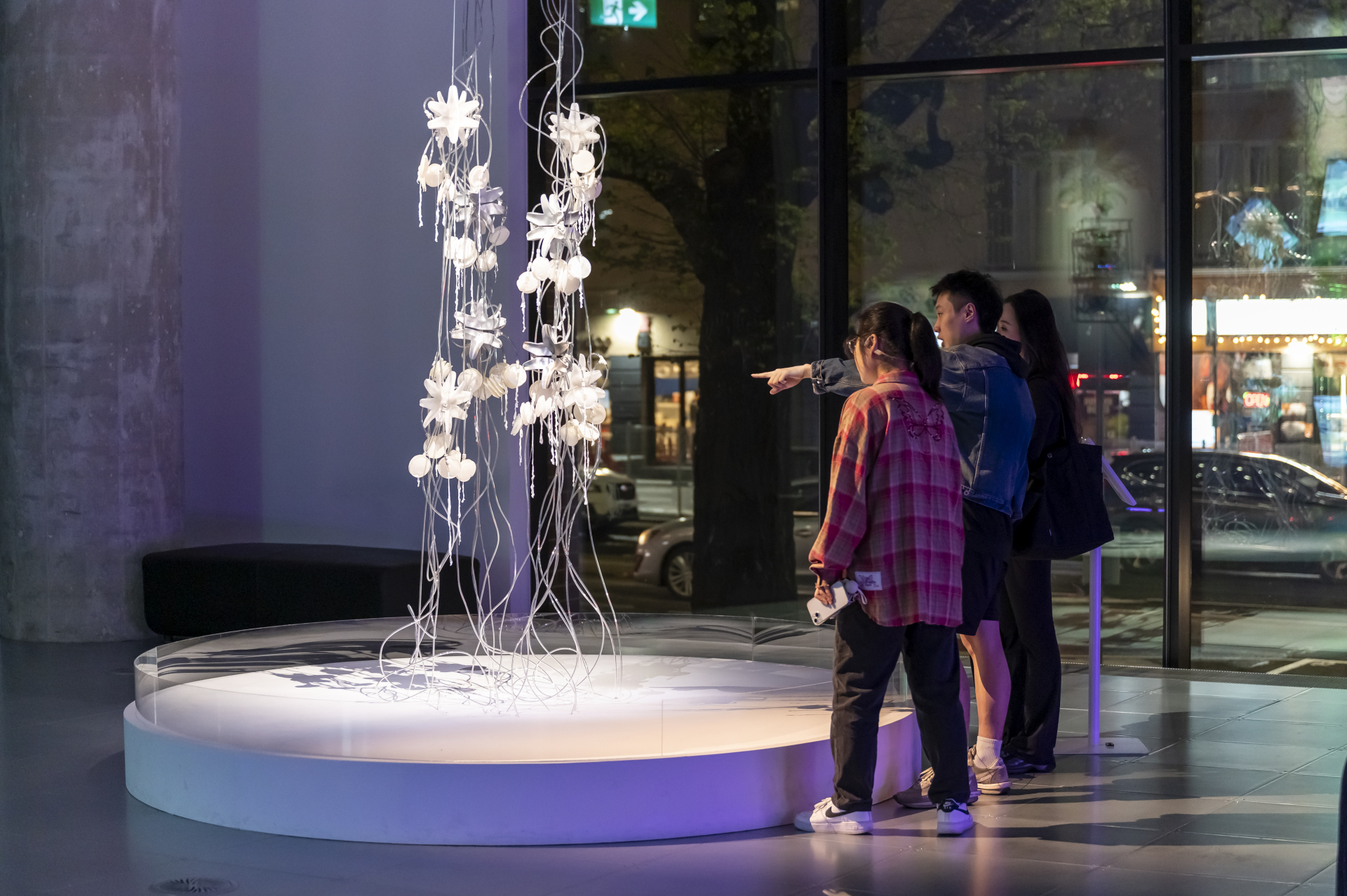
Bringing science, art, technology and design together, Science Gallery Melbourne delivers unique, transdisciplinary exhibitions, events and educational programs.
-
Arts and Cultural Building
A vibrant cultural hub and the new home to the iconic Union and Guild Theatres and UMSU's George Paton Gallery.
-
Building 189
Restored to its iconic Art Deco form, Building 189 is a flexible event space seamlessly connected to Parkville’s Amphitheatre.
-
Grainger Museum
A heritage-listed, internationally recognised museum documenting the life and work of composer Percy Grainger.
-
MPavilion Parkville
The University of Melbourne’s open-air space for art, ideas and experimentation.
-
Old Quad
The University’s original building, once home to the earliest lectures and ceremonies, today it is a vibrant cultural hub.
Learning and research impact
Arts and culture are deeply embedded in education at the University of Melbourne. Students consistently report that engaging directly with artworks, objects and performances helps connect academic learning with real‑world experience. By offering access pathways to tertiary education through the STEM Centre of Excellence (SCoE) and Learning Experiences Programs for secondary school students we continue to support the Widening Participation goals of the University of Melbourne. (*Data collected from Museum and Collections programs only.)
Exhibitions, performances and programs
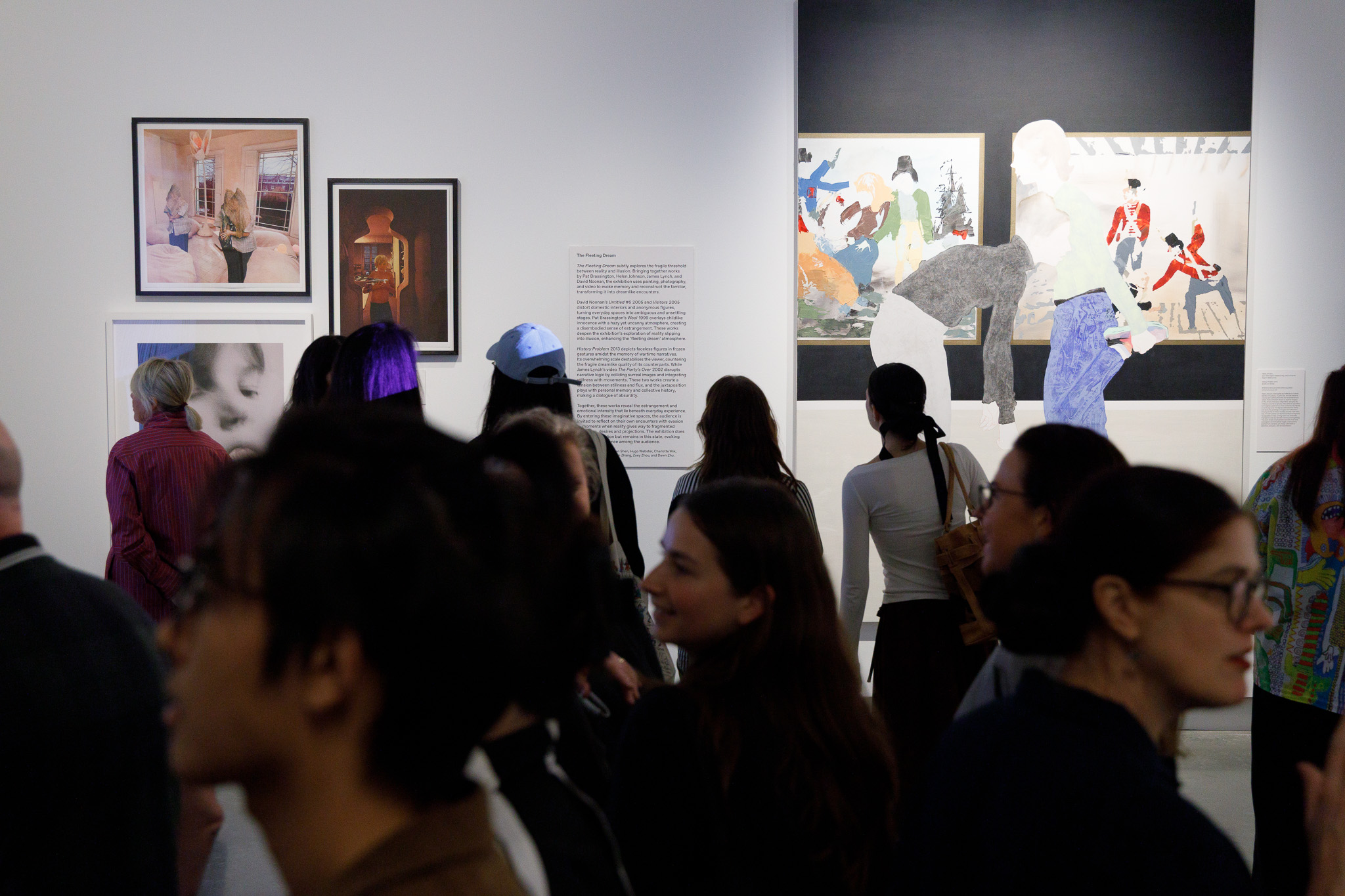
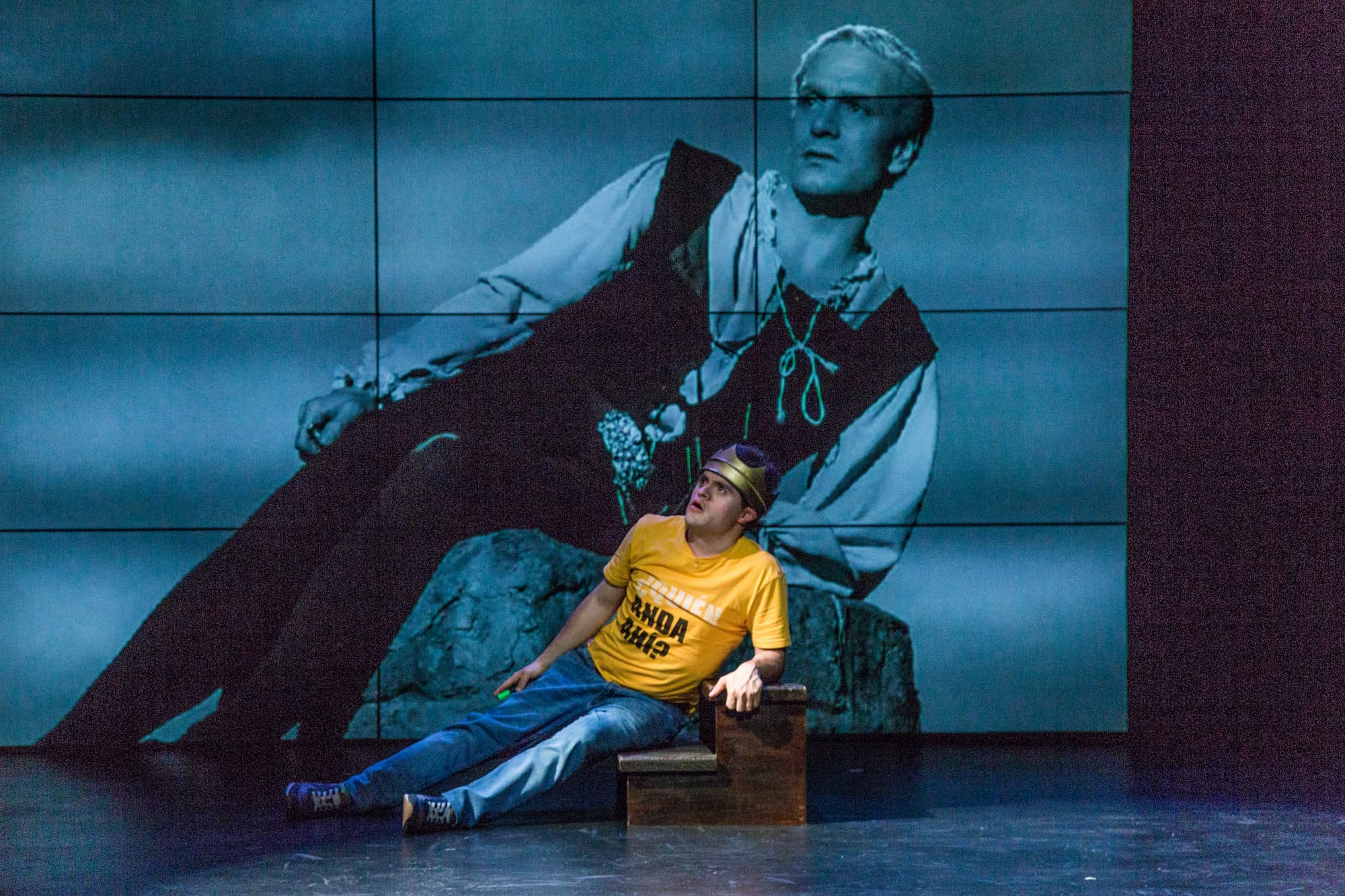
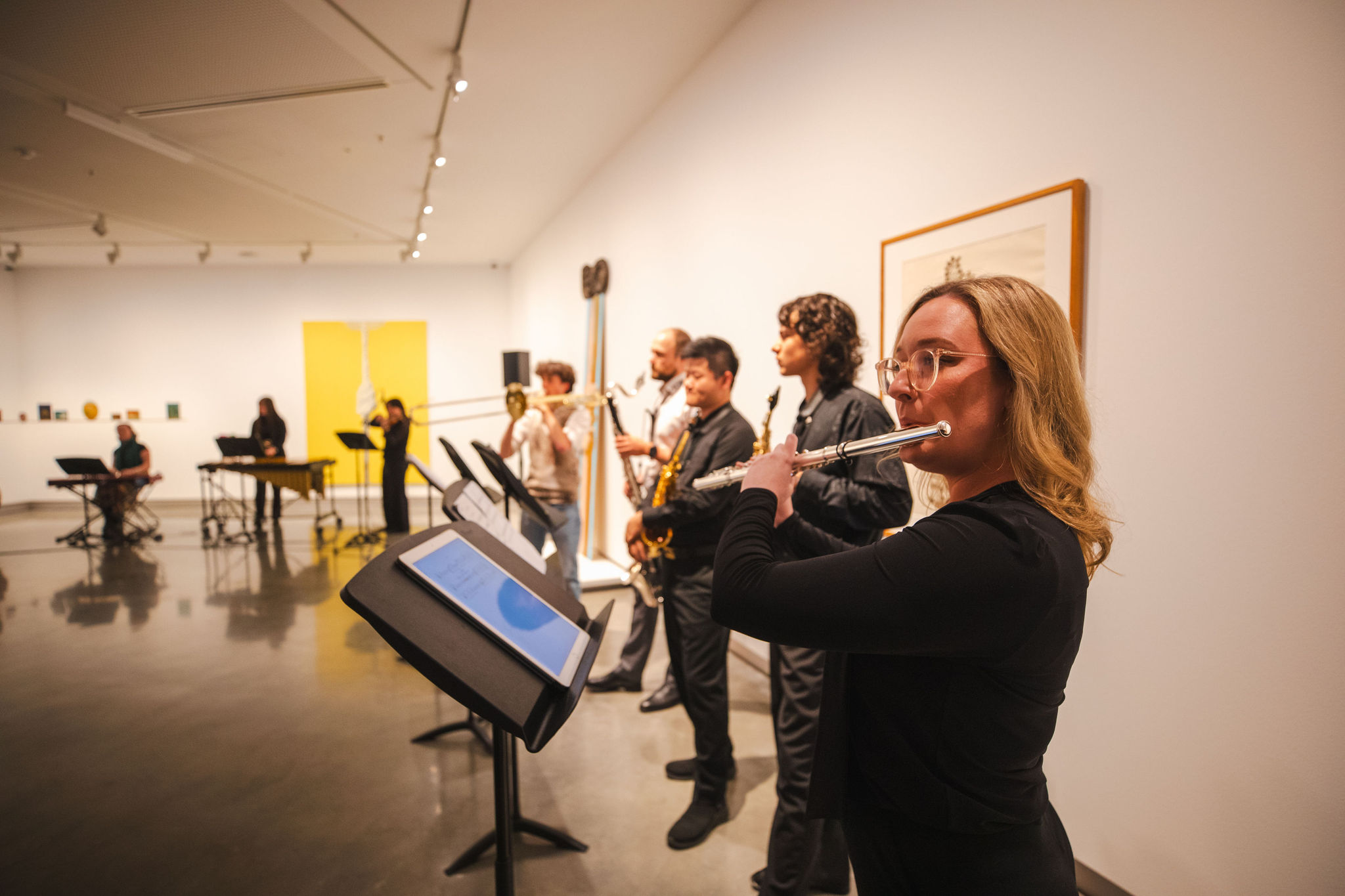
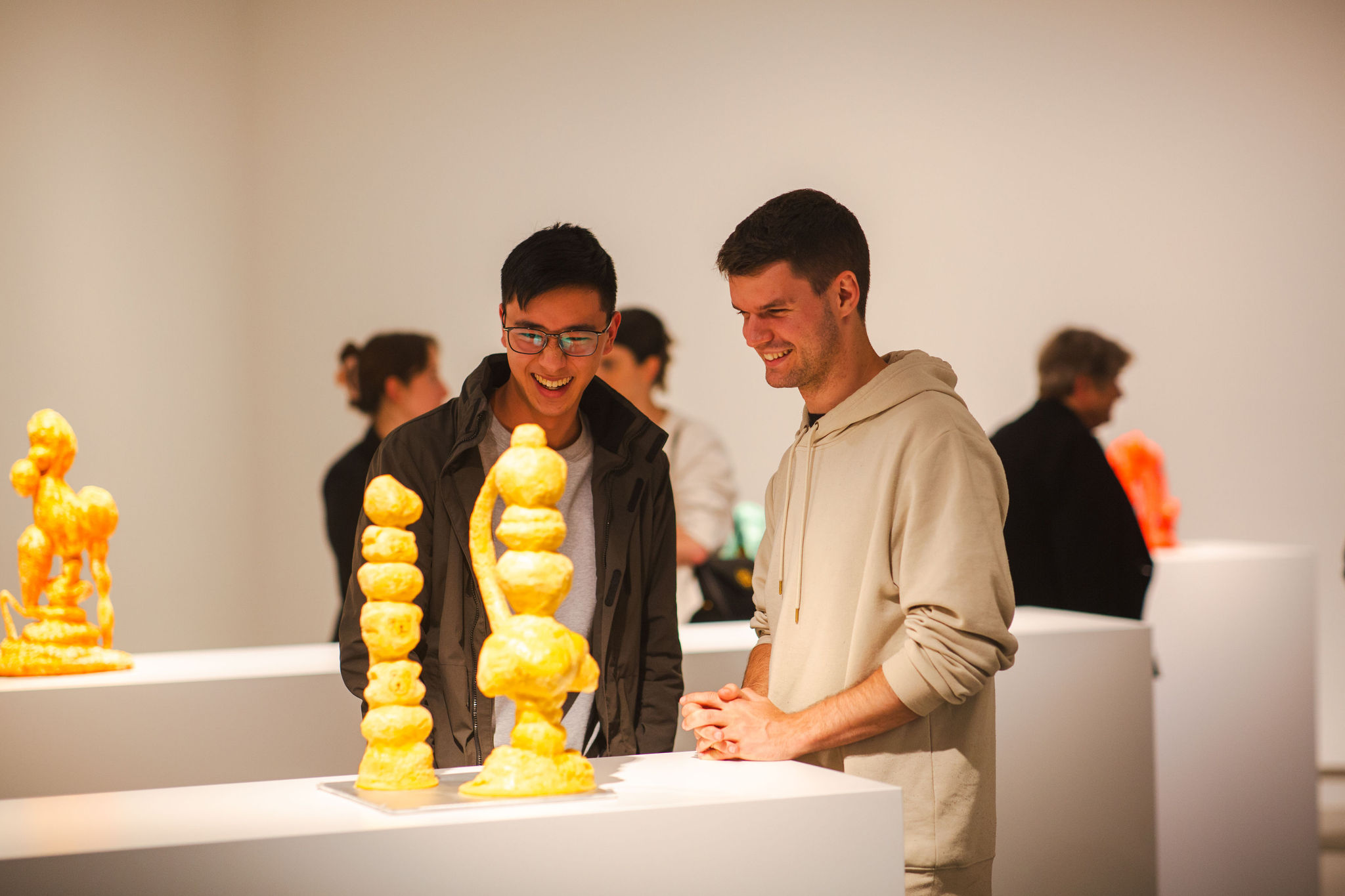
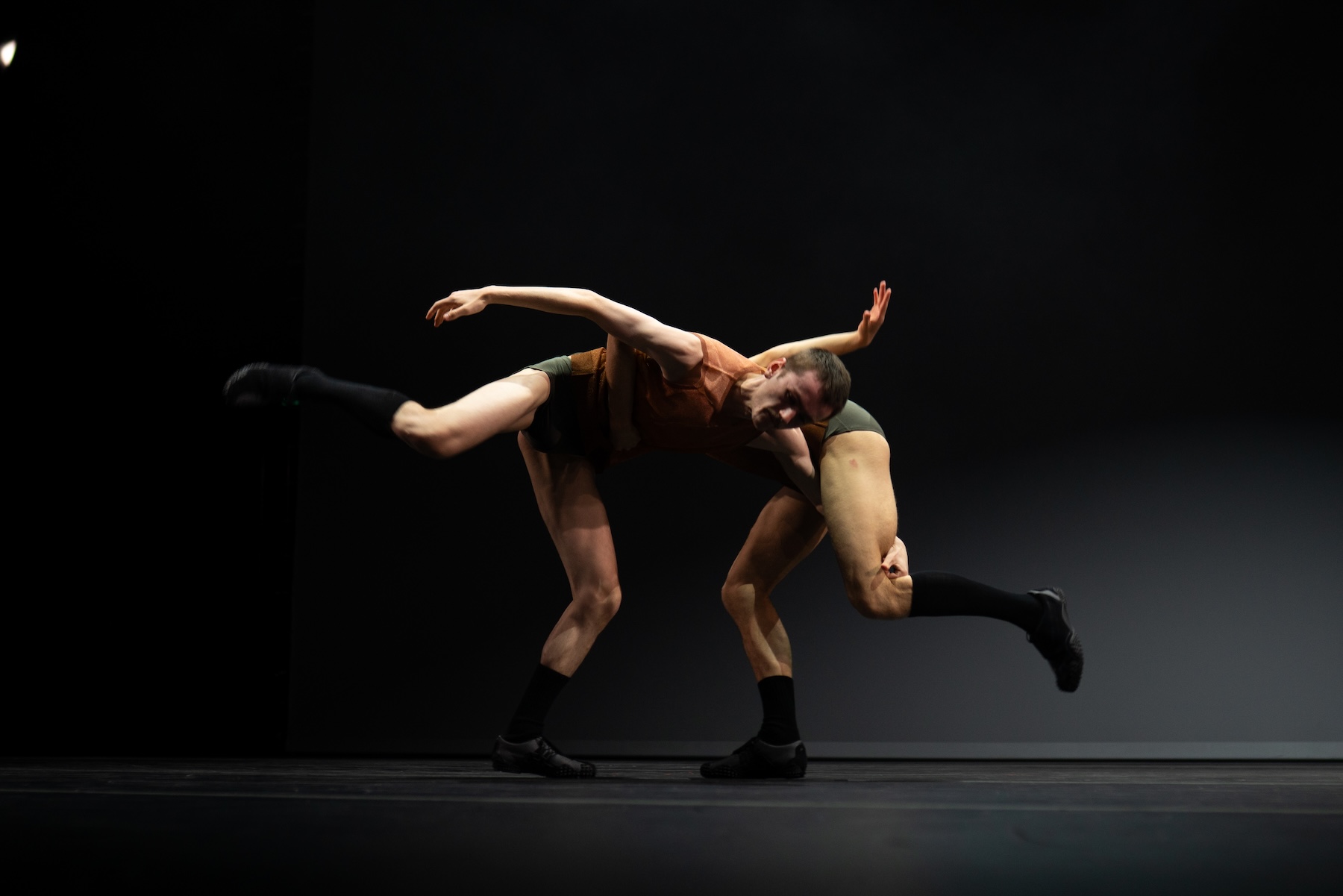
A vibrant program of exhibitions, events and performances brought thousands of students, artists, and visitors together, fostering dialogue and inclusion.
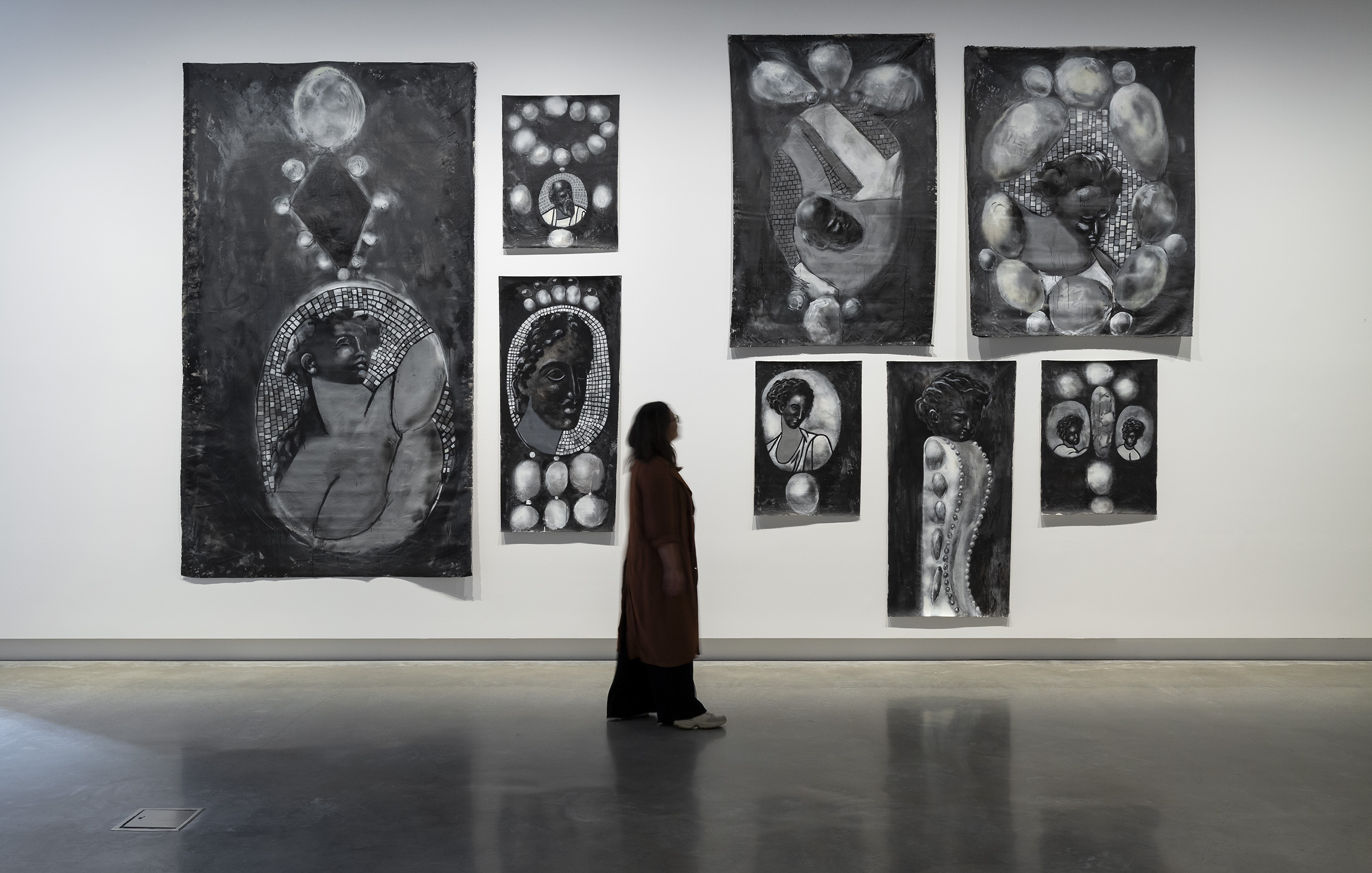
A major milestone in 2025 was the reopening of the Potter Museum of Art, marked by the landmark exhibition 65,000 Years: A Short History of Australian Art. The exhibition celebrated Aboriginal and Torres Strait Islander art and knowledge, while contributing to national conversations about history, truth‑telling and cultural authority.
Audience survey
Case Studies
Explore key examples of our impact in 2025, aligning to the three pillars of Strategy 2030
A shared cultural future
The University’s commitment to arts and culture is grounded in respectful relationships, Indigenous leadership, accessibility and collaboration. Through exhibitions, performances, research and partnerships, arts and culture continue to shape a vibrant, inclusive and intellectually rich university environment.
This year has been a defining chapter for the University’s Museums and Collections and Performing Arts departments with the re-opening of the Potter Museum of Art, and UMAC’s commissioning of eight new works.
This attests to their vital role in the Global, Culture, and Engagement portfolio and in establishing our campuses as distinctively vibrant, intellectual and cultural spaces for the communities we are embedded in.
Professor Michael Wesley Deputy Vice Chancellor Global, Culture & Engagement
Download the full 2025 Impact report